Ah, yes! Much better!

Note: This is a post celebrating my emancipation from the WordPress ecosystem and singing praise for its replacement.
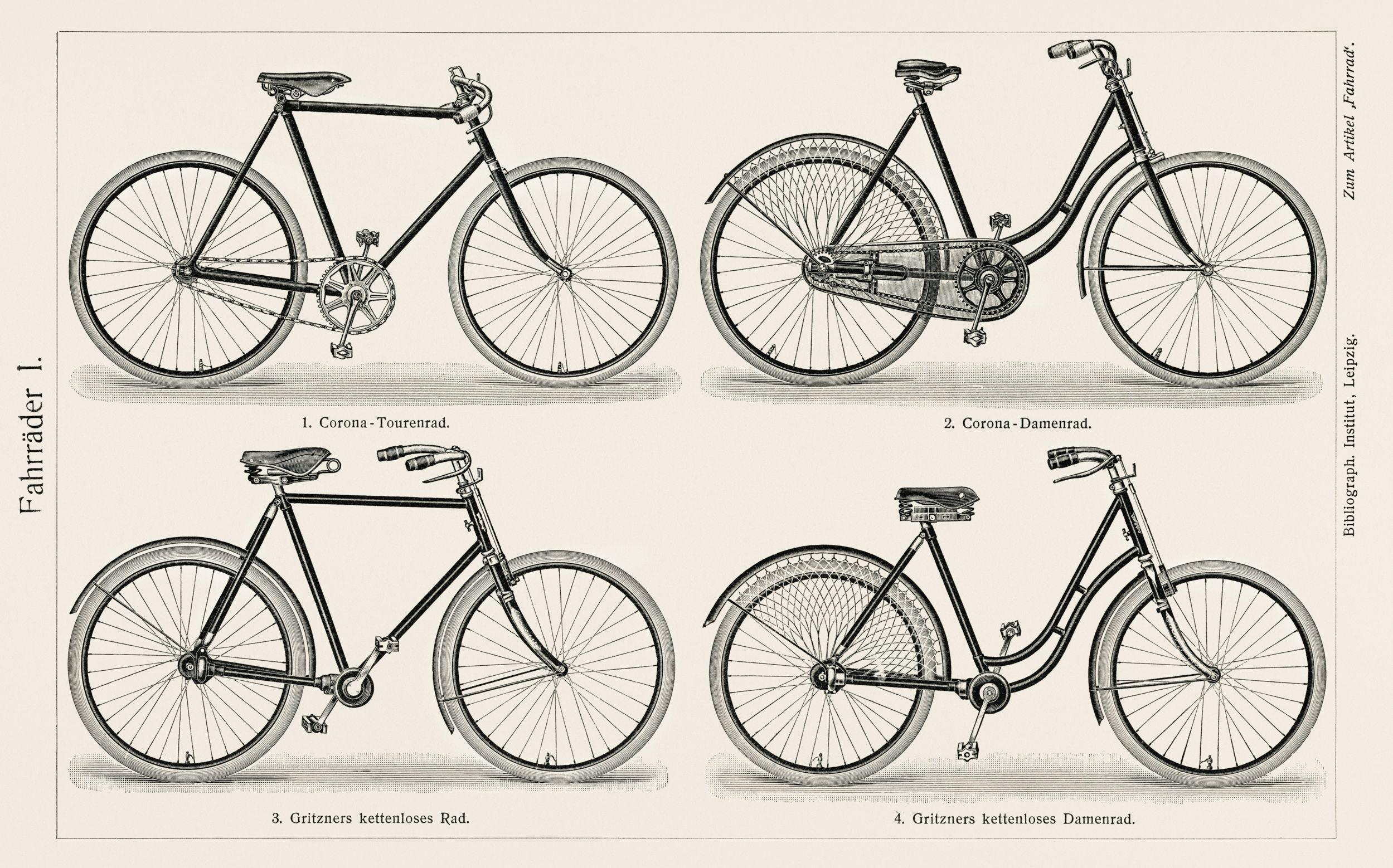
Steve Jobs is credited as saying the computer is the equivalent of the bicycle for the mind. In 2025, in the age of enshittification, it's easy to be cynical about platitudes like this today. Steve Jobs, of course, is a problematic role model. But in 1995, when I encountered this quote, this analogy captured my imagination. I could envision the promise of connection that computers possessed. In hindsight, it was also the start of a decades-long naïveté and unquestioning techno-optimism. But in my defense, it can be hard to remember that, at that time, computers were generally seen as tools that helped people solve problems.
Now, in 2026, when a user has a use-case, instead of being enabled by software, it's just as likely that the user will be hindered by design choices that artificially hide affordances behind paywalls. The problem is not with the technology, but with the incentive structures in place for Very Large Online Platforms (VLOPs) to extract value from their users for their shareholders, even at the expense the user experience. Such was my personal experience with the WordPress platform. Over the last couple of years, the gulf between what I could conceive of and what I could easily implement got wider and wider. I started looking for options and discovered Eleventy.
Eleventy is an elegant tool that, compared to its predecessor gets out of the way, allowing you to get to work. It has a learning curve, for sure. But you can easily get familiar with Eleventy's framework by doing the excellent tutorials on their site. This experience reminded me of how software used to feel like.
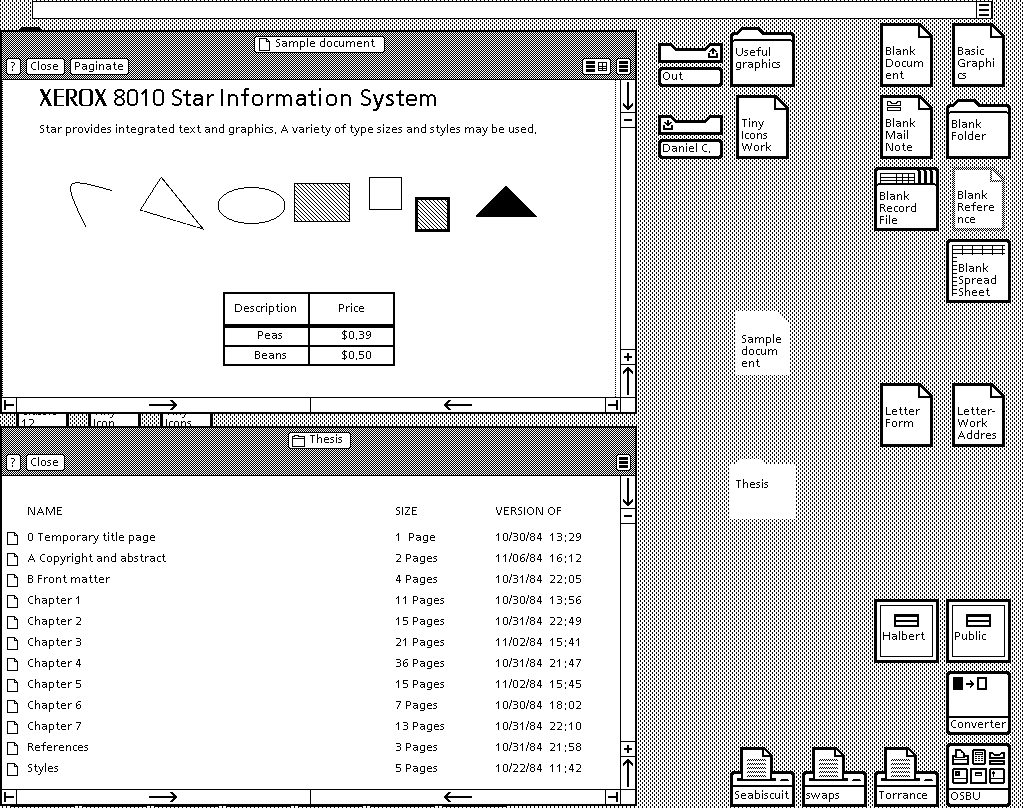
With that in mind, I was also able to easily incorporated system.css, an open stylesheet, into my Eleventy instance to give it a retro vibe. It's true that the visual lexicography of this stylesheet is very classic Mac-specific. The intent isn't to signify Apple supremacy, but rather to lazily harken back to a time when our relationships to technology was more positive and less adulterated.
Dare I say it, I was having fun building my new blog! That's not something I could say for the previous platform!
As I was having this revelatory experience with Eleventy, the Resonant Computing Manifesto was published. If you are concerned with the power that Very Large Online Platforms hold, I highly recommend giving it a read. I appreciate its focus on how software should resonate with a user's workflow rather than fighting them at every fucking turn as is increasingly common when working out of VLOPs.
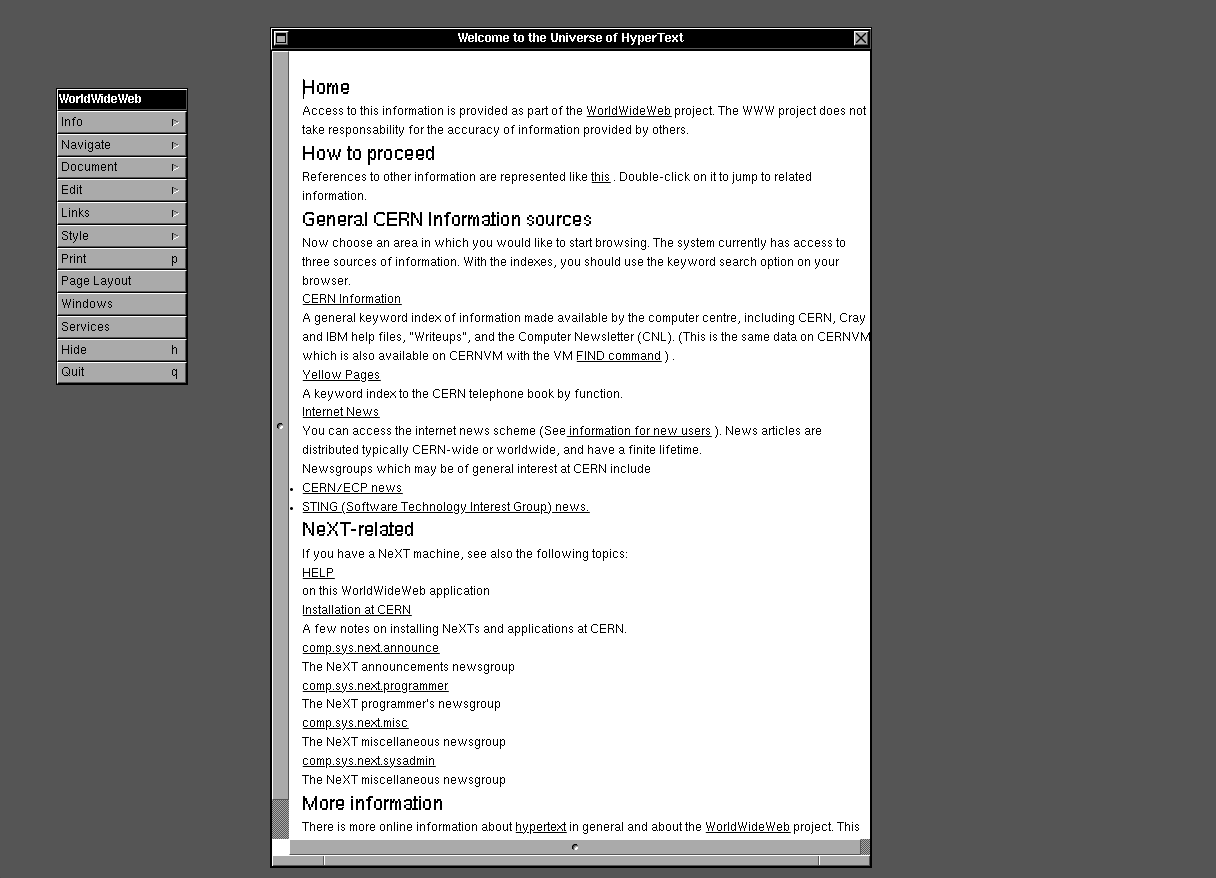
There is something in the air. People are ready to revisit the Web as a public good rather than behind-the-scenes infrastructure for platform holders. We're analyzing the experiences we're having in our existing information environments and we're starting to push back. Everyone expects physical environments to be safe. Why not our information environments?
There are those of us who remember how software worked before engagement became the primary metric of success. We can seize the means of publication from the platforms. We can rebuild a web that works.
Speaking of which, now that I'm done rebuilding my site, it's time to get back to the articles I was writing. BRB.
- ← Previous
Let's Define Good Work
Built with Eleventy and System.css