Let's Define Good Work
Happy New Year! While 2026 is looking to be just as, if not more, chaotic than 2025, personally I have a lot to look forward to. First, I have had way more success building a site with 11ty than I expected, so I expect to migrate off of WordPress sooner rather than later. Shooting for migrating in the next couple weeks. 🤞
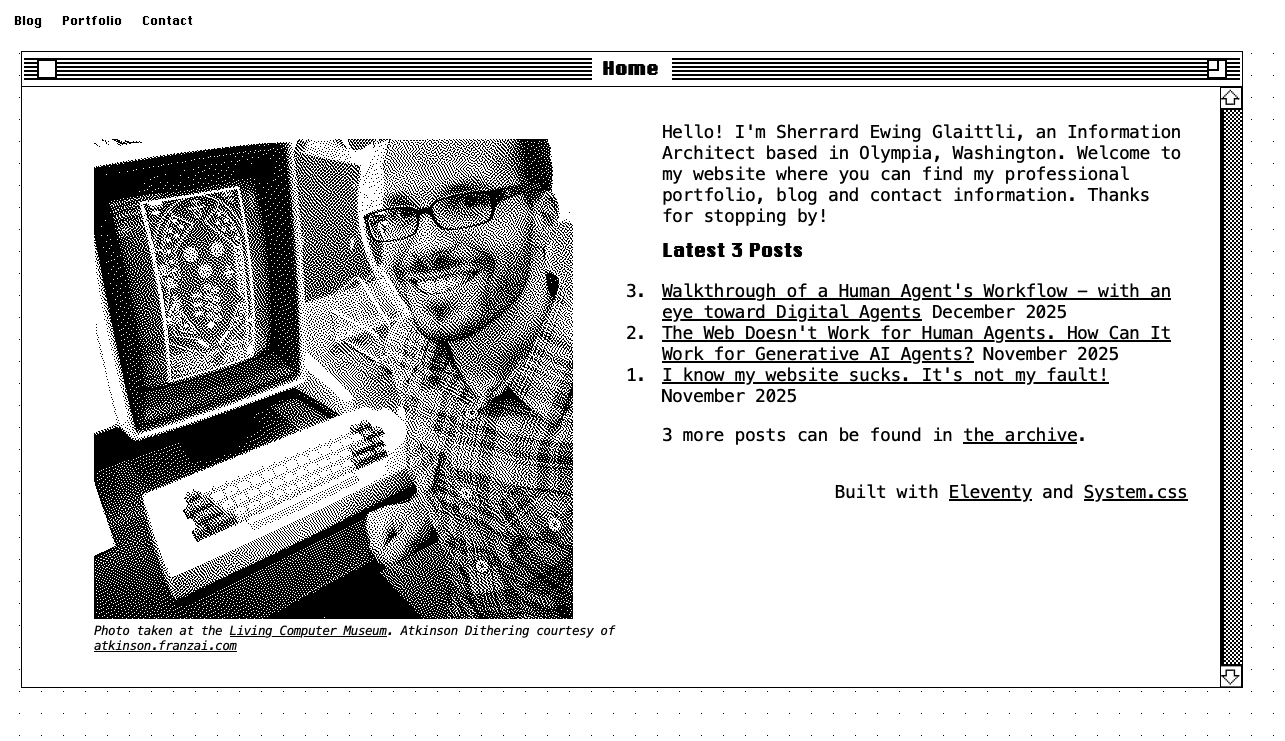
I want to maintain editorial momentum so I will continue to post on my old, crappy site. This backend context matters, though, because this specific example, of leaving WordPress, demonstrates how difficult it is to fight enshittification and seize the means of publication from the dominant platforms.
I am currently writing a series of posts about how the Web can be architected for both human agents and digital agents (I'm currently grouping these articles with the tag semantic web). But I also have other article topics, many of which are better for short form or quicker posts while the longer posts develop. With that in mind, I want to debut a series I'm calling Good Work. In my post, Emerging from Despair I said,
I want to find the people, organizations, and papers that are cointinuing to do good work out there. And by good work I mean work that is making search, AI or any information experience on the Internet more Trustworthy.
In a world of self-reinforcing filter bubbles and deepfakes, I want to gather and write about work that makes the Internet a safer, more enriching place for its users. Much of this is work is incredibly important and (I believe) is not getting the attention it deserves. For whatever reason, my "talent" in life, as best as I can understand it, is to passionately distill the human drama of seemingly arcane technical issues. If I have this talent, which it looks like I do, I want to use it to highlight amazing work that may be toiling in obscurity or otherwise ignored. I also want to bring up the work of those before us, but whose work is still remarkably precient.
Some examples of good work I am looking to cover:
- The importance of teaching public web literacy and public mental models of the web – leveraging the work of Ted Nelson, Molly Holzschlag, Aaron Schwartz, Jason Scott, Mike Masnick and many, many others
- People who actively fight the intentional obfuscation campaigns of tech companies and how to combat them with more accurate mental models – people like Gary Marcus, Ed Zitron, Helen Toner and others
- Technologies that seize the means of publication from platforms – with the goal of democratizing self-hosting on the web – examples include AT, ActivityPub, Solid and exciting new uses for pre-existing web technologies such as static-site generators
- The work to create open and Trustworthy search and retrieval systems instead of the blackbox models such as OpenAI and Gemini, etc – done by organizations such as NIST, NSF, the UN and the European Commision.
- The work to create open web infrastructure using Knowledge Graphs, such as the Linked Data Open Cloud and the Proto-Open Knowledge Network that can improve the Trustworthiness of generative AI (at a fraction of the cost of building networks of generative AI models to endlessly check each others inputs and outputs, which is the current strategy) and addressing concerns about AI data center sustainability in the process
- Information Architecture and UX design choices that burst filter bubbles, fights negative engagement, impowers self-agency, ecourages positive connection and builds trust. I'm sick of dark patterns. Let's collect light patterns again!
For my next post, I want to review a book that sits prominently on my bookshelf, Computer Lib/Dream Machines. For years, I've admired the work and passion of Ted Nelson in trying to get the public thinking critically about computers since the 1970's.
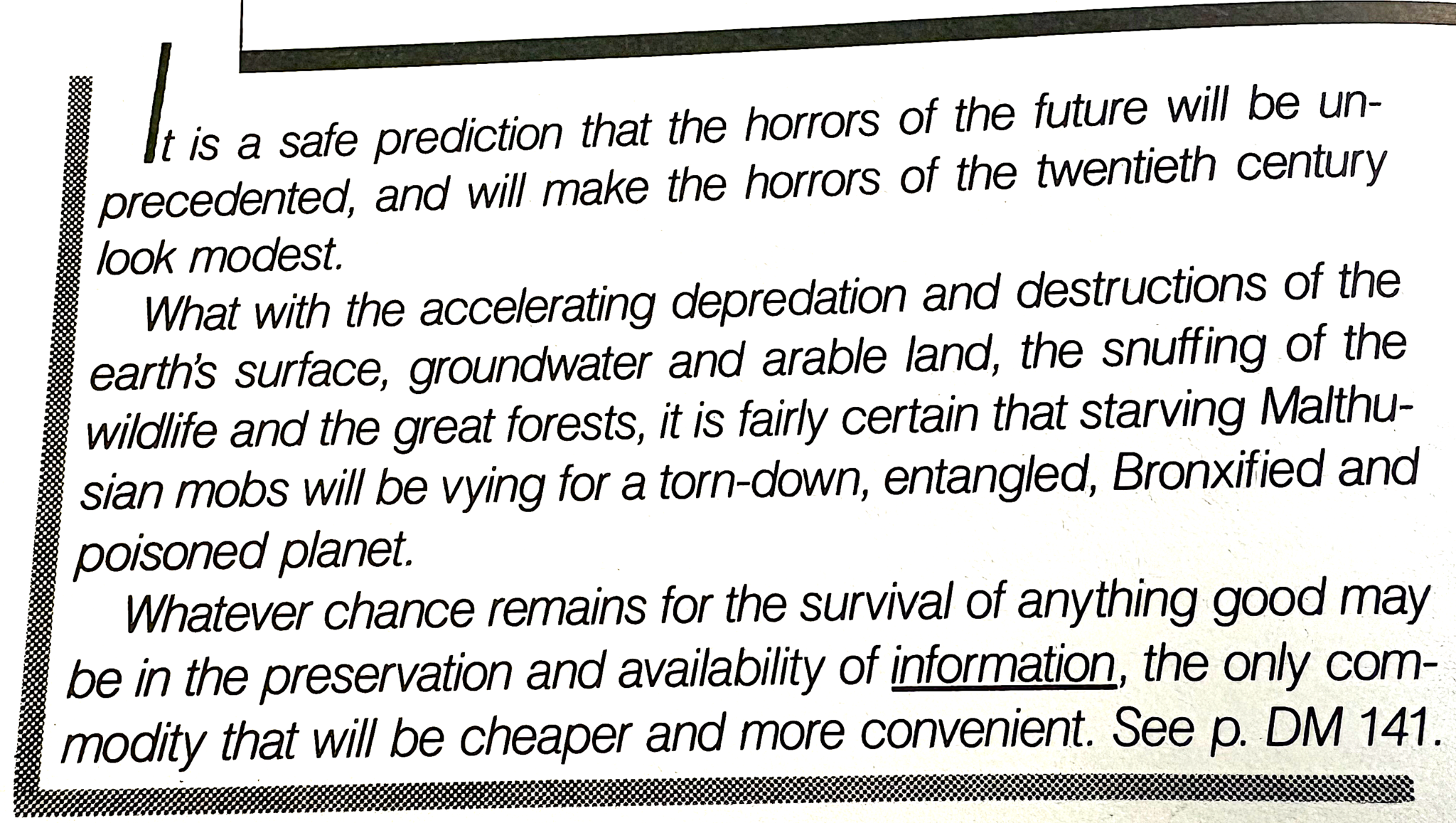
What's striking when reading this book, given how playful and irreverent the tone of the work is, is how well it anticipates much of the issues we are facing today. Here are some snippets. (Please enjoy the typefaces and handdrawn illlustrations as much as I do).
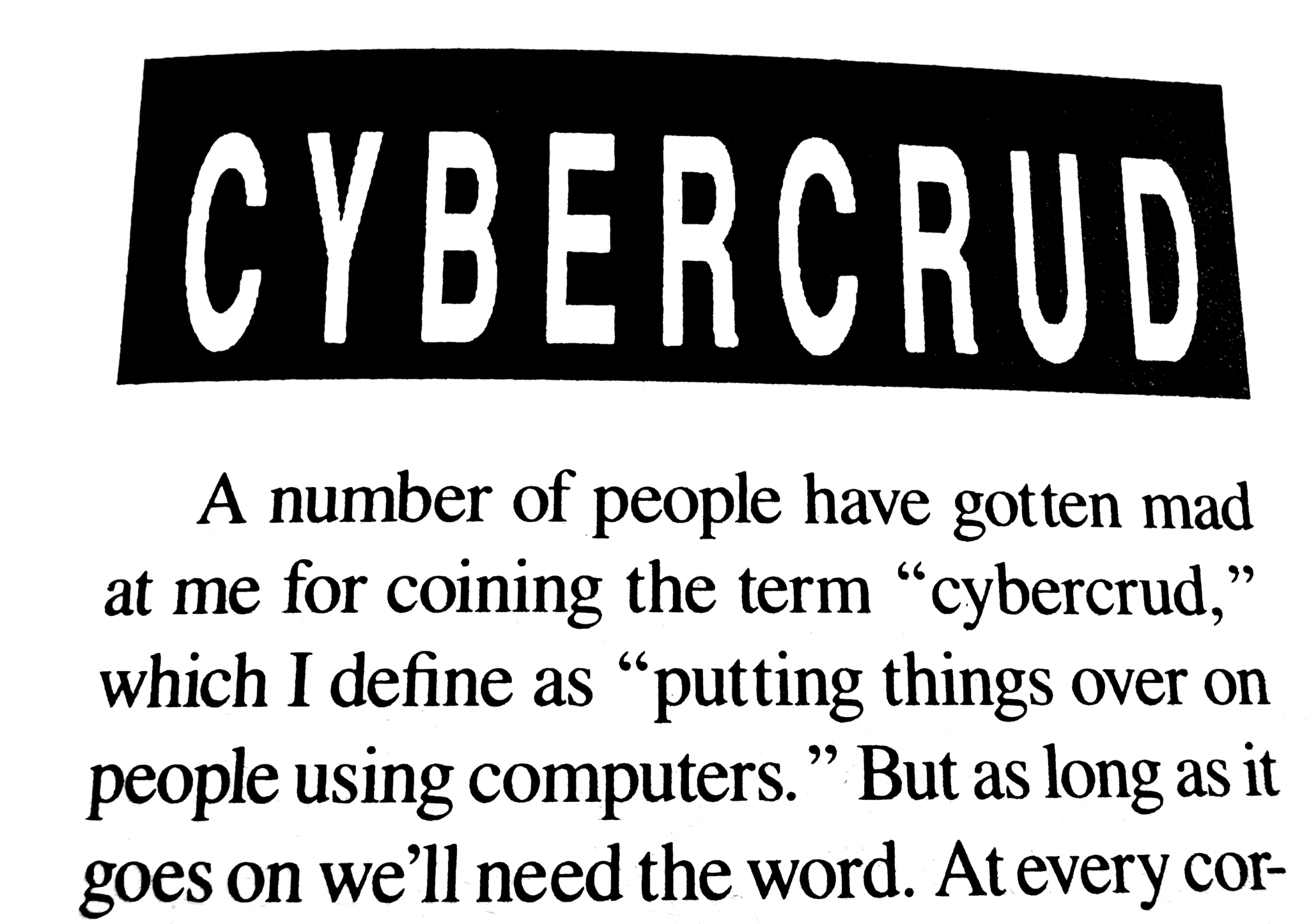
An early, and more wholesome term for "enshittification."
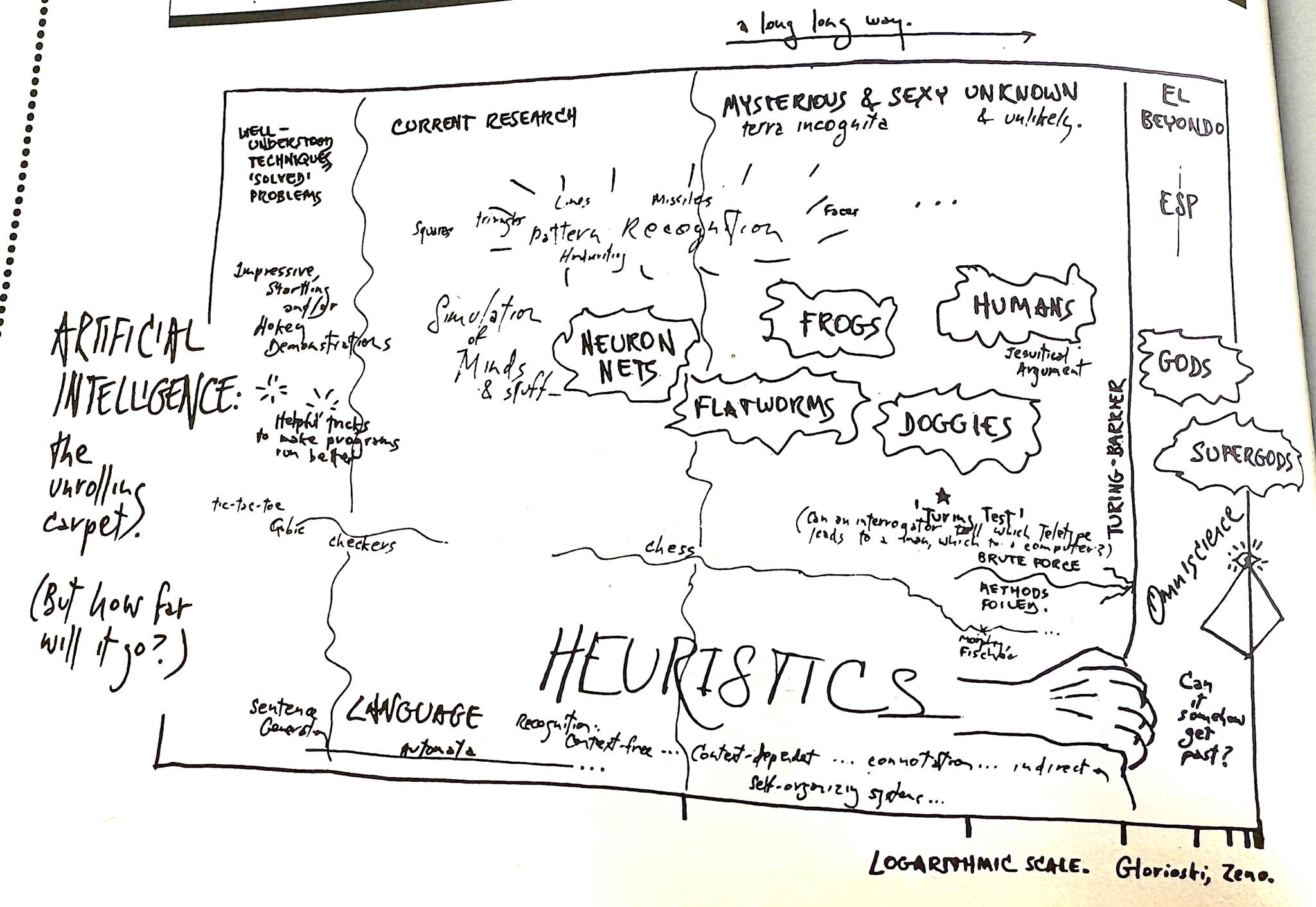
But he also highlights ways to combat these challenges and they are still precient!
Later, I want to have a follow-up articles where I review his work on Project Xanadu and what we can learn from it and other work as people work to rebuild the Web in 2026.
As ever, constructive feedback is appreciated. If there is anything I'm ommitting, please let me know gently. Thank you for reading this far. See you soon.
- ← Previous
Walkthrough of a Human Agent's Workflow - with an Eye toward Digital Agents - Next →
Ah, yes! Much better!
Built with Eleventy and System.css